
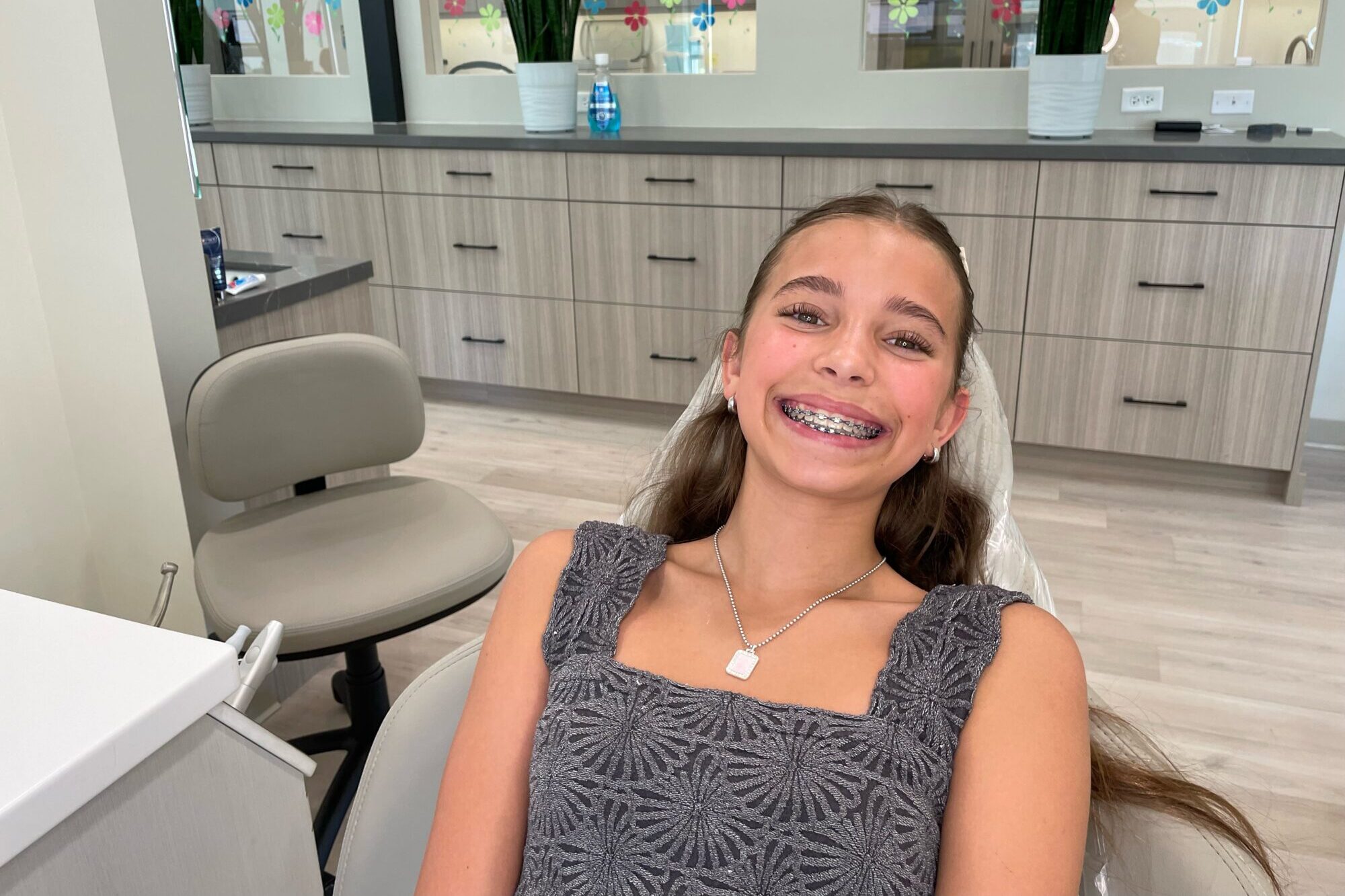
Playing sports with braces is absolutely possible. Whether your child just started football practice or you’re an adult playing weekend basketball, orthodontic treatment shouldn’t sideline you from the activities you love. The key is knowing how to protect your smile so your treatment stays on track.
At Draper Elite Orthodontics, we help active athletes of all ages stay in the game while their smile transformation continues behind the scenes.

Can You Play Sports With Braces?
Yes, you can play virtually any sport with braces when you use proper protection. A well-fitted orthodontic mouthguard is the single most important step, and with it, athletes safely participate in everything from football to gymnastics throughout their treatment.
Here’s what changes when you have braces. The brackets and wires sitting on your teeth create extra surfaces that can cut lips, cheeks, and gums during impact. Even a stray elbow in a pickup basketball game can turn into a broken bracket or a cut lip without the right gear.
Both contact and non-contact sports carry some risk of dental injury. A fall from a bike, a soccer ball to the face, or a stumble during cheerleading practice can all damage brackets or teeth. That’s why Draper Elite Orthodontics recommends protective gear for all athletes, no matter the sport.
Preventive protection also keeps your treatment on schedule. Broken hardware means unplanned visits and often a longer path to your final smile. A little prep goes a long way.
How Mouthguards Protect Braces and Teeth During Sports
A sports mouthguard absorbs and redistributes impact force so it doesn’t slam directly into your teeth or brackets. Think of it as a shock absorber that cushions everything happening inside your mouth during a hit.
Here’s what a quality orthodontic mouthguard does:
- Cushions brackets and wires so they don’t cut into your lips, cheeks, and gums on impact
- Distributes force across a wider area of your jaw instead of concentrating it on one tooth
- Prevents common injuries like broken brackets, bent archwires, chipped teeth, and soft tissue cuts
- Reduces jaw strain by absorbing energy that would otherwise transfer through your teeth
Follow this simple pre-game and post-game routine to keep your braces safe:
- Before play: Rinse your mouthguard, check your brackets for anything loose, and apply orthodontic wax to any spots that feel sharp against your cheek.
- During play: Wear your mouthguard the entire time, including practice. Most injuries happen when athletes take it out for a “quick break.”
- After play: Inspect your brackets and wires. Look in a mirror for anything bent, loose, or missing. If something feels off, call Draper Elite Orthodontics right away.
One more thing to keep in mind. Your teeth shift throughout treatment, so a mouthguard that fit perfectly three months ago may feel loose today. Plan to replace your mouthguard every 3-6 months during active treatment to maintain proper protection.
Benefits of Wearing a Mouthguard With Braces
Wearing a sports mouthguard with braces isn’t just about avoiding a bloody lip. It protects your investment in your smile and helps you finish treatment on time.
According to the American Dental Association, athletes who don’t wear a mouthguard are significantly more likely to suffer dental injuries during play. For anyone wearing braces, that risk multiplies because the hardware itself can cause additional damage on impact.
Here are the biggest benefits of consistent mouthguard use during treatment:
- Prevents bracket breakage. Every broken bracket typically adds days or weeks to your treatment timeline. Multiple breaks can push your debond date back by months.
- Protects soft tissue. Lips, cheeks, and gums are especially vulnerable when metal hardware gets pushed into them. A mouthguard creates a buffer so impact energy stops before reaching delicate tissue.
- Reduces the risk of chipped, cracked, or knocked-out teeth. Once a permanent tooth is lost or fractured, restorative care becomes part of your dental future forever.
- Avoids emergency visits. Repair visits mean missed school, missed work, and disrupted training schedules. Prevention saves everyone time.
- Keeps your treatment timeline on track. Board-certified orthodontist Dr. Streiff builds your customized treatment plan around a specific debond date. Broken brackets create setbacks that ripple through your entire plan.
Dr. Streiff and the team at Draper Elite Orthodontics see the difference every season between athletes who wear their mouthguards and those who don’t. The protected group finishes on time. The others often don’t.

Mouthguard Types Compared: Stock vs. Boil-and-Bite vs. Custom Orthodontic
Not all mouthguards work well with braces. Some can actually cause trouble by pressing against brackets or restricting normal tooth movement. Here’s how the main types compare.
| Mouthguard Type | Fit Quality | Braces-Friendly? | Best For |
|---|---|---|---|
| Stock | Poor, one-size | Not recommended | Emergency backup only |
| Boil-and-Bite (standard) | Decent | Limited, may not fit over brackets | Non-braces athletes |
| Orthodontic-Specific OTC (Shock Doctor, Vettex) | Good | Yes, designed for braces | Most athletes with braces |
| Custom Orthodontic (from your provider) | Excellent | Yes, made to fit your mouth | Contact-sport athletes, elite competitors |
A few things to keep in mind:
- Stock mouthguards are pre-formed and can’t be adjusted. They fit loosely, fall out easily, and offer minimal protection for someone with brackets.
- Standard boil-and-bite guards can be tricky with braces. The heating and molding process may press hard against brackets or lock in a shape that prevents tooth movement.
- Orthodontic-specific OTC guards are built with extra space and softer material to accommodate hardware. This is the sweet spot for most athletes with braces.
- Custom orthodontic mouthguards from Draper Elite Orthodontics offer the best fit and protection. They’re built to your mouth’s exact shape and can be adjusted as your teeth shift.
- Clear aligner wearers: Remove your aligners before play and wear a standard athletic mouthguard. Store your aligners in their case, never in a napkin or pocket.
Which Athletes Need Mouthguard Protection?
Every athlete with braces benefits from mouthguard protection, but the level of risk changes by sport. Here’s how the major categories break down.
High-contact sports (mouthguard required):
- Football
- Hockey
- Lacrosse
- Wrestling
- Martial arts and MMA
- Rugby
- Boxing
Limited-contact sports (mouthguard highly recommended):
- Basketball
- Soccer
- Baseball and softball
- Volleyball
- Water polo
Non-contact sports (mouthguard still advised):
- Gymnastics
- Cycling and mountain biking
- Skateboarding and BMX
- Cheerleading and tumbling
- Skiing and snowboarding
Young athletes and teens face the highest injury risk during their developmental years, which happens to overlap with the most common age for braces. Anyone with braces, palatal expanders, or fixed retainers should wear protection during any activity where a fall or impact is possible.

Frequently Asked Questions About Braces and Sports
Can you still play sports with braces?
Yes, you can play almost any sport with braces as long as you wear a properly fitted mouthguard. Athletes at every level, from youth leagues to college teams, complete their orthodontic treatment while staying active. Talk with your orthodontist about your specific sport so you can get the right protection.
How do you protect braces during sports?
Wear an orthodontic-specific mouthguard for every practice and game. Apply orthodontic wax to any brackets that feel sharp before you start, and check your hardware after each session for damage. If a bracket feels loose or a wire is poking out, call your orthodontist promptly.
Can you wear a mouthguard with braces?
Yes, mouthguards designed for orthodontic patients are made specifically to fit over brackets and wires. Standard boil-and-bite guards can sometimes press against hardware or interfere with tooth movement, so choose an orthodontic-specific OTC model or ask about a custom mouthguard from Draper Elite Orthodontics.
What if a bracket breaks during a game?
Cover the broken bracket or sharp wire with orthodontic wax to protect your cheek and lip. Don’t try to remove any pieces yourself. Call your orthodontist as soon as possible to schedule a repair visit so your treatment stays on schedule.
How often should I replace my mouthguard?
Plan to replace your mouthguard every 3-6 months during active orthodontic treatment. Your teeth shift throughout the process, and an older mouthguard may fit loosely or press unevenly on brackets. Regular replacement keeps protection at its best.
Do I need a mouthguard with Invisalign or clear aligners?
Yes, remove your clear aligners before sports and wear a standard athletic mouthguard. Aligners are not designed to absorb impact and can crack under force. Always store your aligners in their protective case during play, never wrapped in a napkin where they can be lost or thrown away.
Playing sports with braces is completely doable when you have the right protection and a team that supports your active lifestyle. Dr. Brandon Streiff, DMD, MS, and the team at Draper Elite Orthodontics work with athletes throughout Draper, Riverton, and Lehi to keep smiles safe and treatment on schedule.
Ready to gear up for your season with the right protection? Schedule a free consult and let’s talk about the best mouthguard for your sport.