Frequently Asked Questions
How can I schedule a consultation at Draper Elite Orthodontics?
Scheduling a consultation at Draper Elite Orthodontics is simple. You can call our office directly or visit our website to book an appointment online. We look forward to helping you achieve your best smile!
What orthodontic services are offered at Draper Elite Orthodontics?
Draper Elite Orthodontics offers a range of orthodontic services, including traditional braces and clear aligners like Invisalign, designed to enhance your smile and improve dental health.
What are the office hours for Draper Elite Orthodontics?
The office hours for Draper Elite Orthodontics are Monday through Thursday from 8 AM to 5 PM, and Friday from 8 AM to 1 PM. We look forward to assisting you during these times!
How do braces compare to clear aligners like Invisalign?
Braces and clear aligners like Invisalign differ primarily in appearance and treatment approach. Braces are fixed and often more effective for complex cases, while aligners are removable, offering greater convenience and aesthetics for patients seeking a discreet option.
What should I expect during my first visit to the orthodontist?
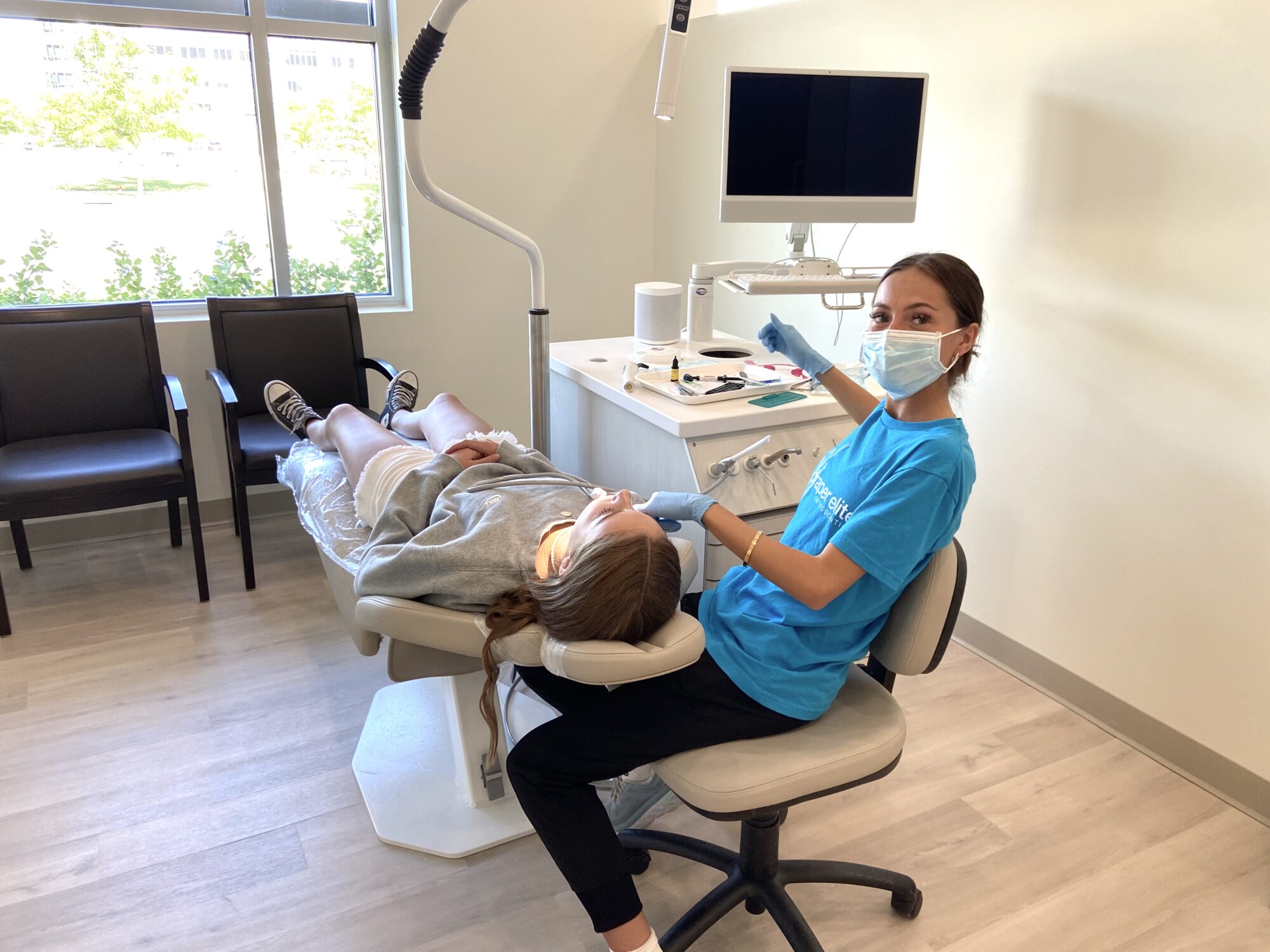
During your first visit to the orthodontist, you can expect a comprehensive examination of your teeth and jaw, along with a discussion of your dental health goals. The orthodontist will also explain potential treatment options tailored to your needs.
What types of braces are available?
The types of braces available include traditional metal braces, ceramic braces, and clear aligners like Invisalign. Each option offers unique benefits to suit different patient needs and preferences.
How long does orthodontic treatment typically take?
The duration of orthodontic treatment typically ranges from 6 months to 2 years, depending on the complexity of the case and the type of appliances used, such as braces or clear aligners.
Are clear aligners suitable for all patients?
Clear aligners are not suitable for all patients. While they effectively treat many orthodontic issues, some complex cases may require traditional braces for optimal results. A consultation with our orthodontic team will determine the best option for your needs.
What age is best for orthodontic evaluation?
The best age for an orthodontic evaluation is typically between 7 and 9 years old. At this age, most children have a mix of primary and permanent teeth, allowing orthodontists to identify potential issues and plan for future treatment.
How often should I visit the orthodontist?
Visiting the orthodontist regularly is essential for effective treatment. Typically, patients should schedule appointments every 4 to 8 weeks to monitor progress and make necessary adjustments.
What payment options are available for treatment?
The payment options available for treatment at Draper Elite Orthodontics include flexible financing plans, credit card payments, and insurance assistance to help make your orthodontic care affordable.
Can I eat normally with braces on?
Eating normally with braces is possible, but you may need to adjust your diet. Soft foods are recommended initially, and it's best to avoid hard, sticky, or chewy items to prevent damage to your braces.
What are the benefits of early orthodontic treatment?
The benefits of early orthodontic treatment include improved dental health, better alignment of teeth, and enhanced facial aesthetics. Early intervention can also prevent more complex issues later, making treatment easier and often more effective.
How do I care for my braces?
Caring for your braces involves maintaining excellent oral hygiene by brushing twice daily and using a floss threader. Additionally, avoid hard or sticky foods that can damage the braces, and attend regular check-ups for adjustments and monitoring.
What is the process for getting clear aligners?
The process for getting clear aligners involves an initial consultation, where your orthodontist will evaluate your teeth and discuss your goals. After creating a customized treatment plan, digital impressions are taken, and your aligners are crafted to gradually shift your teeth into the desired position.
Are there any risks associated with orthodontic treatment?
The risks associated with orthodontic treatment include discomfort, potential tooth decay, and gum issues if proper oral hygiene is not maintained. However, these risks can be minimized with regular dental check-ups and following your orthodontist's care instructions.
How can I improve my oral hygiene with braces?
Improving your oral hygiene with braces involves maintaining a diligent cleaning routine. Brush your teeth after every meal, use a soft-bristle toothbrush, and consider an interdental brush or floss threader to clean between brackets and wires effectively.
What should I do if a bracket breaks?
If a bracket breaks, you should contact Draper Elite Orthodontics as soon as possible to schedule a repair appointment. In the meantime, avoid eating hard or sticky foods and use orthodontic wax to cover any sharp edges for comfort.
How do retainers work after braces?
Retainers are essential after braces as they hold teeth in their new positions, preventing them from shifting back. They are typically worn full-time initially, then transitioned to nighttime use to maintain alignment and ensure lasting results.
What is the cost of orthodontic treatment?
The cost of orthodontic treatment varies based on factors such as the type of braces or aligners chosen and the complexity of the case. At Draper Elite Orthodontics, we offer personalized consultations to provide accurate estimates tailored to your needs.
Can adults benefit from orthodontic treatment?
Adults can indeed benefit from orthodontic treatment. It helps improve dental health, enhances smiles, and can address issues like misalignment, resulting in a more confident and functional bite.
What is the difference between metal and ceramic braces?
The difference between metal and ceramic braces lies in their materials and aesthetics. Metal braces are made of stainless steel and are more durable, while ceramic braces use tooth-colored materials, making them less noticeable but potentially less sturdy.
How do I know if I need braces?
Knowing if you need braces involves recognizing signs of misalignment or bite issues. If you experience difficulty chewing, overcrowded teeth, or noticeable gaps, it's advisable to consult an orthodontist for a professional evaluation.
What should I bring to my first appointment?
For your first appointment, you should bring your insurance information, a list of any medications you are currently taking, and any relevant dental records. This will help us provide you with the best care possible.
How can I manage discomfort from braces?
Managing discomfort from braces involves using over-the-counter pain relievers, applying orthodontic wax to sore areas, and consuming soft foods. Rinsing with warm salt water can also help alleviate irritation and promote healing.
What are the signs of orthodontic issues?
The signs of orthodontic issues include crowded or spaced teeth, difficulty chewing or biting, jaw pain or clicking, and misaligned teeth or jaws. If you notice any of these symptoms, it may be time to consult an orthodontist.
How do I schedule a follow-up appointment?
Scheduling a follow-up appointment is simple. You can call our office directly, use our online booking system, or speak with our staff during your next visit to find a convenient time.
What technology is used in modern orthodontics?
The technology used in modern orthodontics includes advanced imaging systems, 3D printing for custom appliances, and digital treatment planning software, which enhance precision and efficiency in creating braces and clear aligners for optimal patient outcomes.
How can I find the right orthodontist for me?
Finding the right orthodontist for you involves researching local practices, reading patient reviews, and considering their specialties, such as braces or clear aligners. Schedule consultations to assess their approach and ensure you feel comfortable with their care.
What are the common misconceptions about braces?
Common misconceptions about braces include the belief that they are only for children, that they are extremely painful, and that they require frequent adjustments. In reality, braces can be effective for all ages, discomfort is manageable, and adjustments are typically scheduled every few weeks.